
This post may contain affiliate links. Please read our privacy policy.
When it comes to baking, sugar is one of the most important ingredients we use. But do you really know the difference between all of the types of sugar?
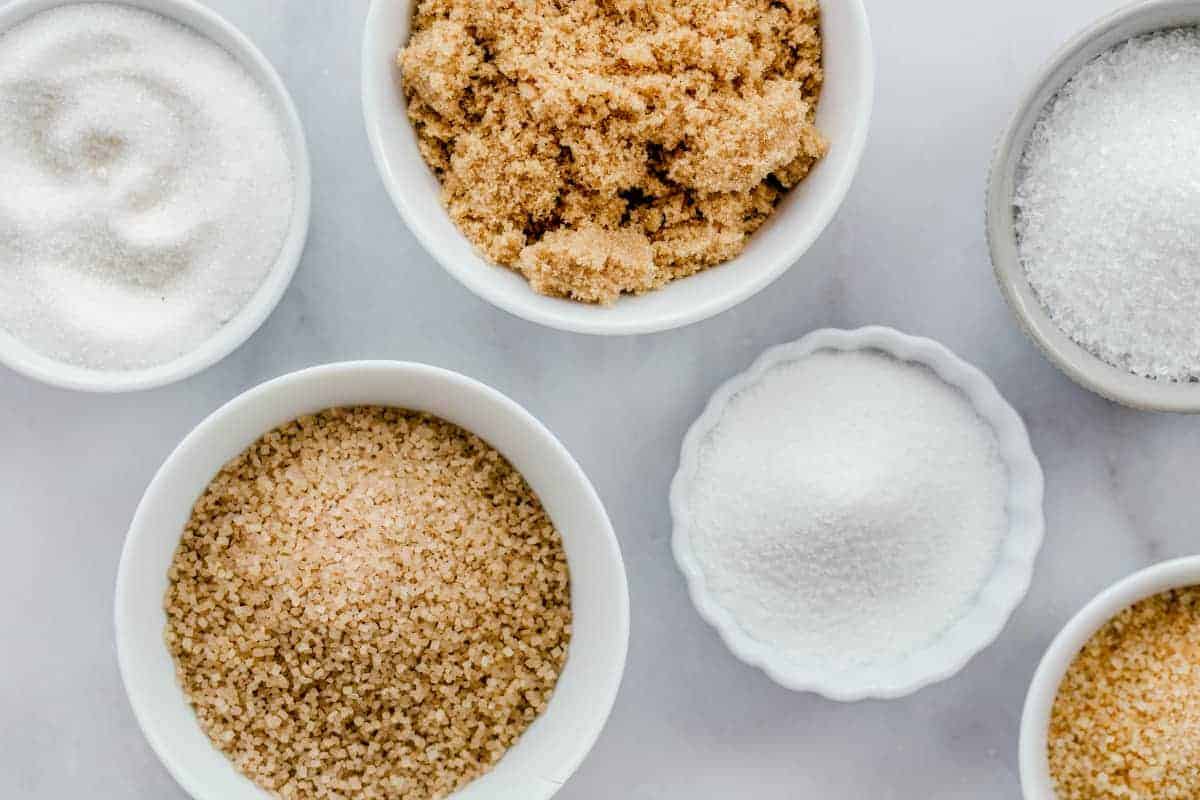
Sugar is an integral part of the baking that we do day to day.
Of course, the sweetness it provides to things like cookies and cakes is obvious. In breads and rolls, however, it feeds the yeast that makes for a beautiful rise.
For most people, the first thing that comes to mind when hearing the word sugar is white, granulated sugar. It’s the type that America uses most often for baking and sweetening our morning cup of coffee.
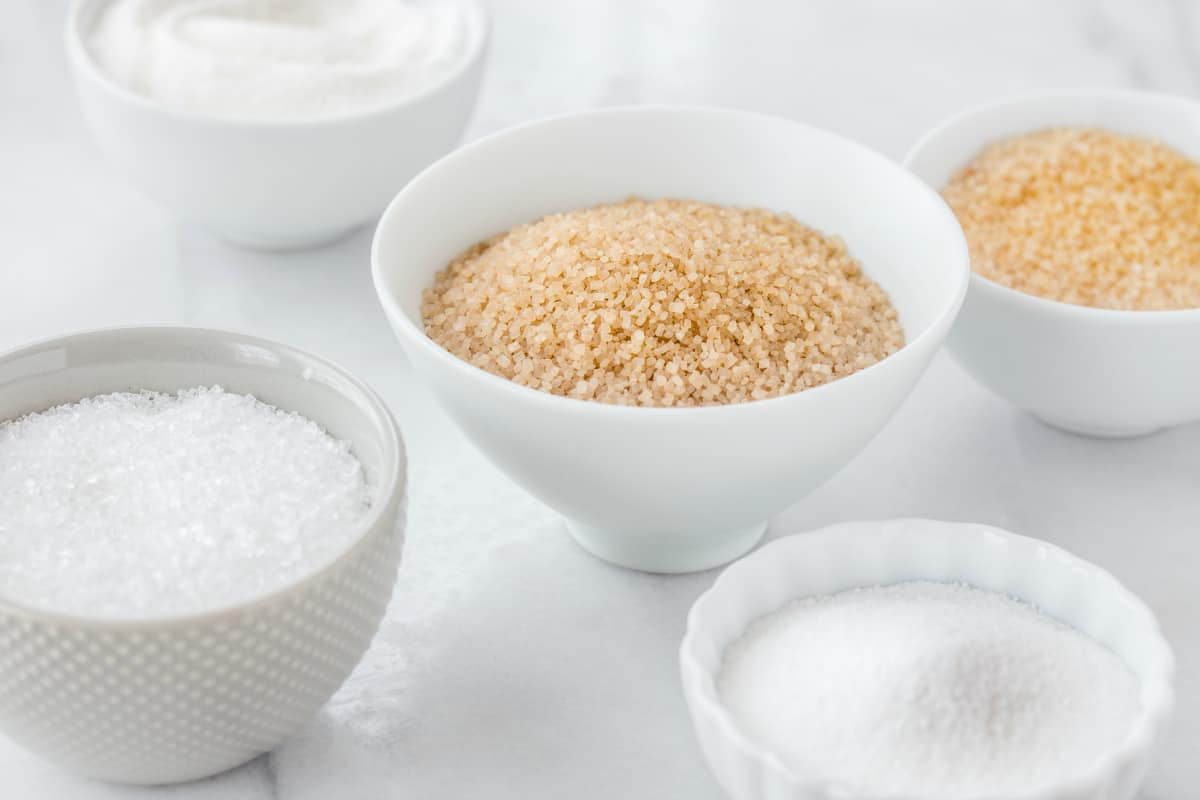
However, the more often you bake, the more different types of sugar you may come across.
In an effort to expand my own baking horizons, I thought we should discuss the types of sugar that are available for all of our baking needs. Are you ready to talk sugar?
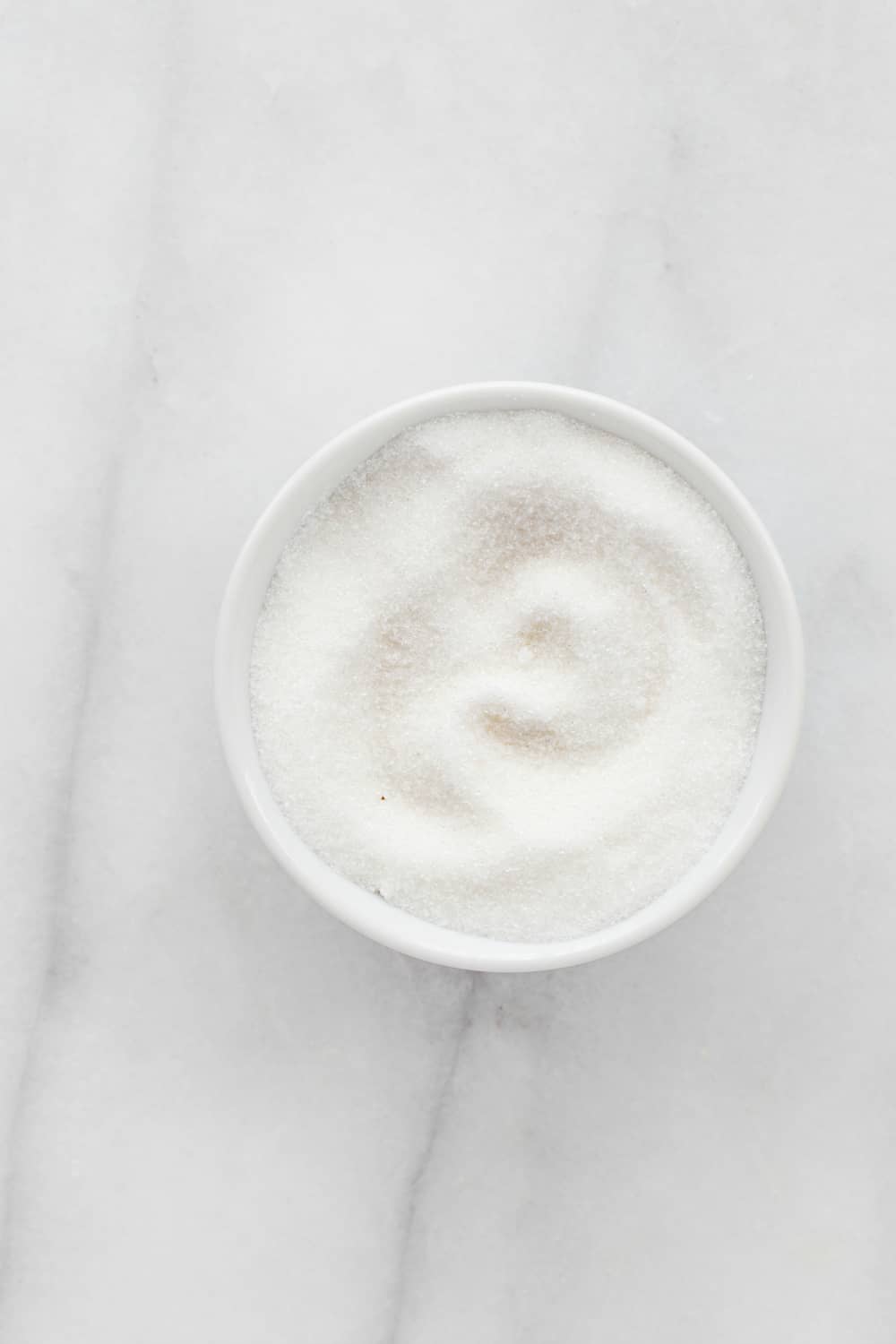
WHAT IS GRANULATED SUGAR?
Granulated sugar is also sometimes known as white sugar, or “regular” sugar.
Granulated sugar has had all of the naturally present molasses refined out of it. It is the sugar that is most commonly used in baking.
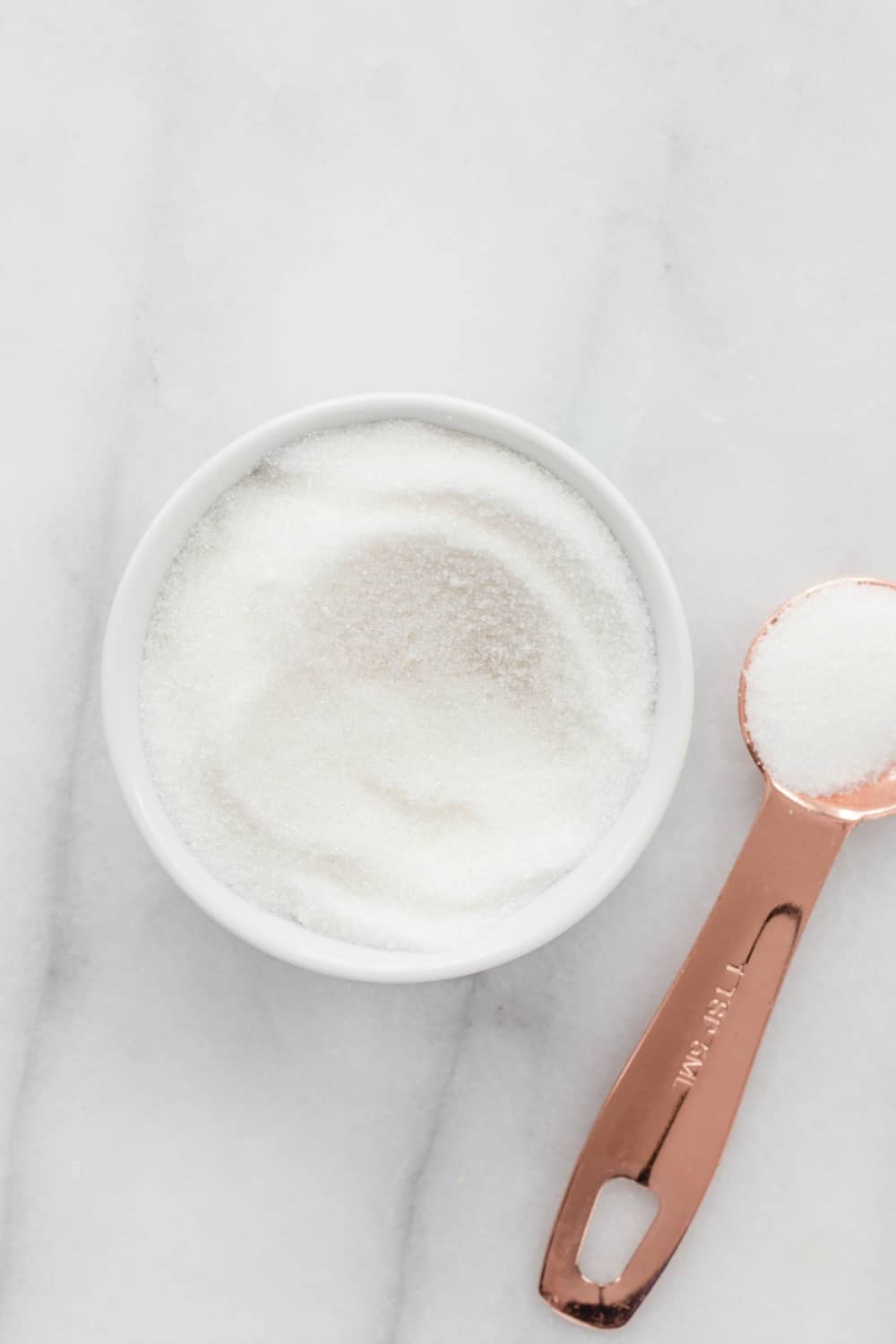
The fine crystals in granulated sugar don’t cake together, which makes it perfect for measuring, sprinkling onto food and dissolving into drinks.
Granulated sugar is what I use in most of my recipes, including The Best Chocolate Cake recipe.
IS CONFECTIONERS’ SUGAR THE SAME AS POWDERED SUGAR?
New bakers often get confused when they see the words “powdered sugar” and “confectioners’ sugar” used interchangeably. But this is because confectioners’ sugar and powdered sugar are the same thing!
Powdered or confectioners’ sugar is granulated sugar that has been finely ground and mixed with a small amount of cornstarch to prevent caking.
This is the sugar we commonly use for frostings, glazes, and that snowy covering on doughnuts that no doubt is all over your face and hands with the first bite.
Puppy Chow is a recipe that famously uses confectioners’ sugar for that beautiful white coating.
WHAT IS ICING SUGAR?
Icing sugar is simply another name for powdered sugar or confectioners’ sugar.
While it is a less common name here in the U.S., it makes sense since icing, powdered or confectioners’ sugar is so perfect for making icings, frostings and fillings, such as the filling in my Homemade Oatmeal Cream Pie recipe.
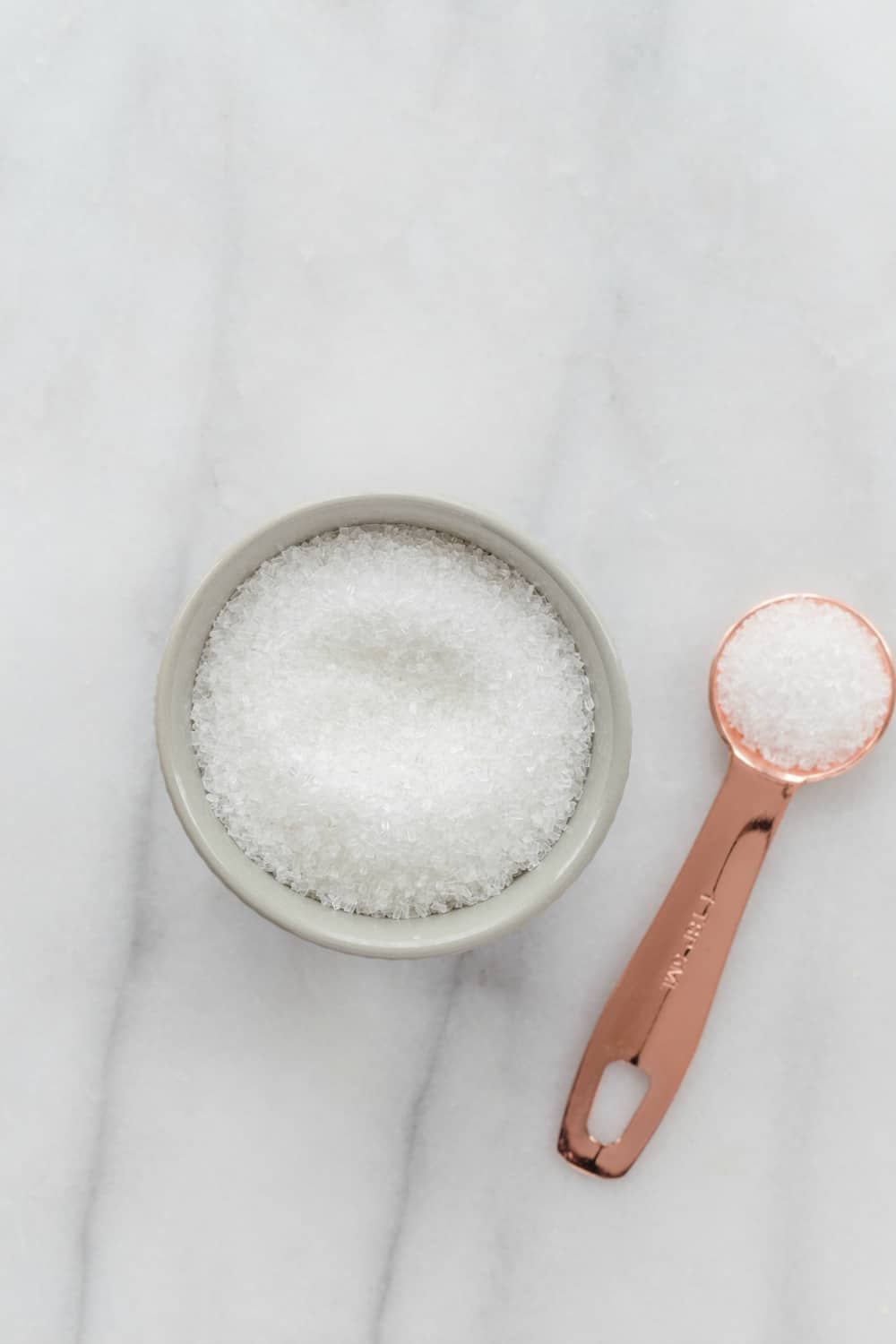
WHAT IS COARSE SUGAR?
As you can tell from its name, coarse sugar has much larger crystals than regular white sugar.
The larger size of the crystals (about the size of pretzel salt) makes the sugar stronger and more resistant to heat. This type of sugar also helps to give baked goods or candy a little texture.
Coarse sugar is used mainly for decorating and comes in a rainbow of colors. Because of this, it is sometimes called decorating sugar.
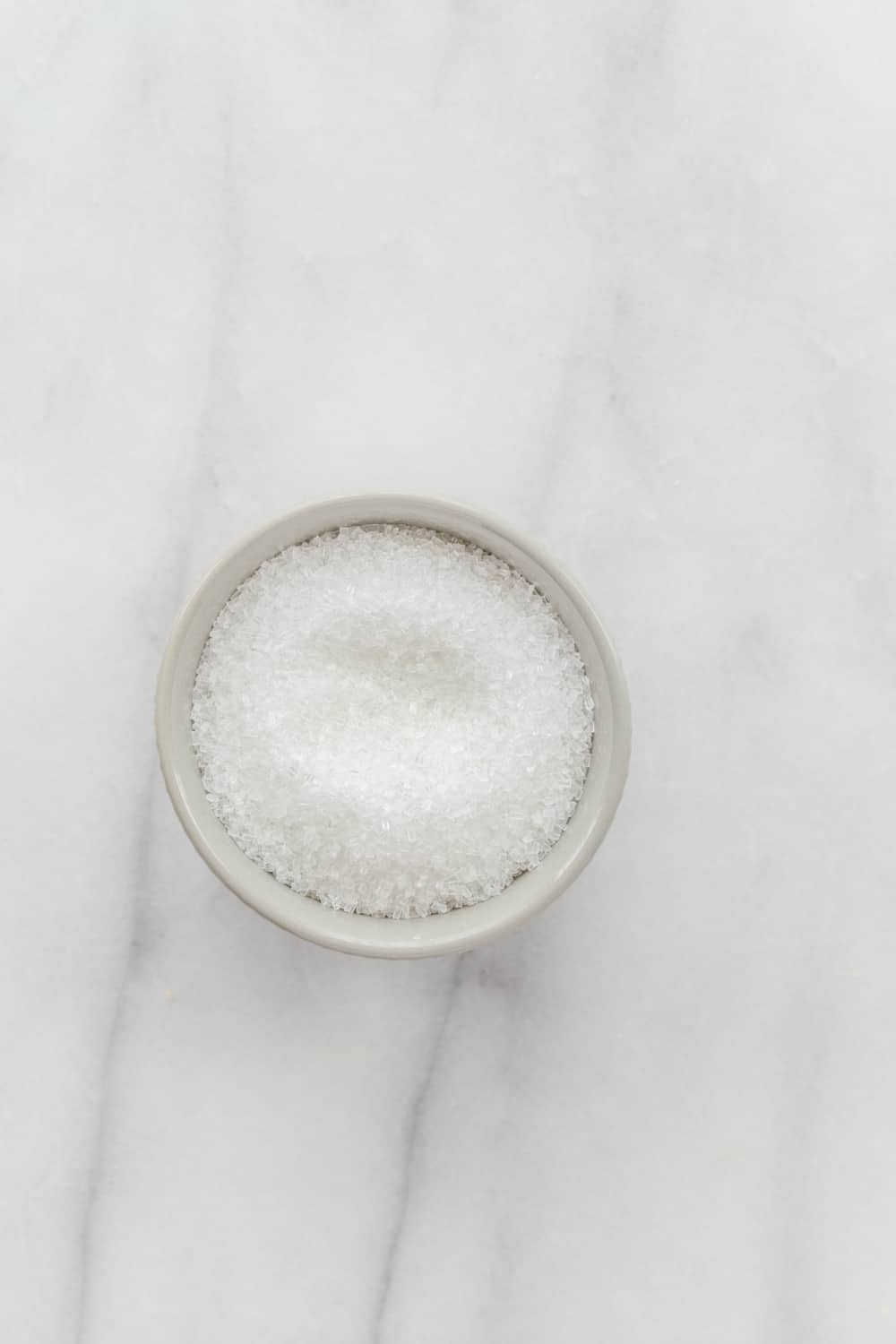
I like topping my Cherry Hand Pies recipe with coarse sugar for a little texture and added sweetness.
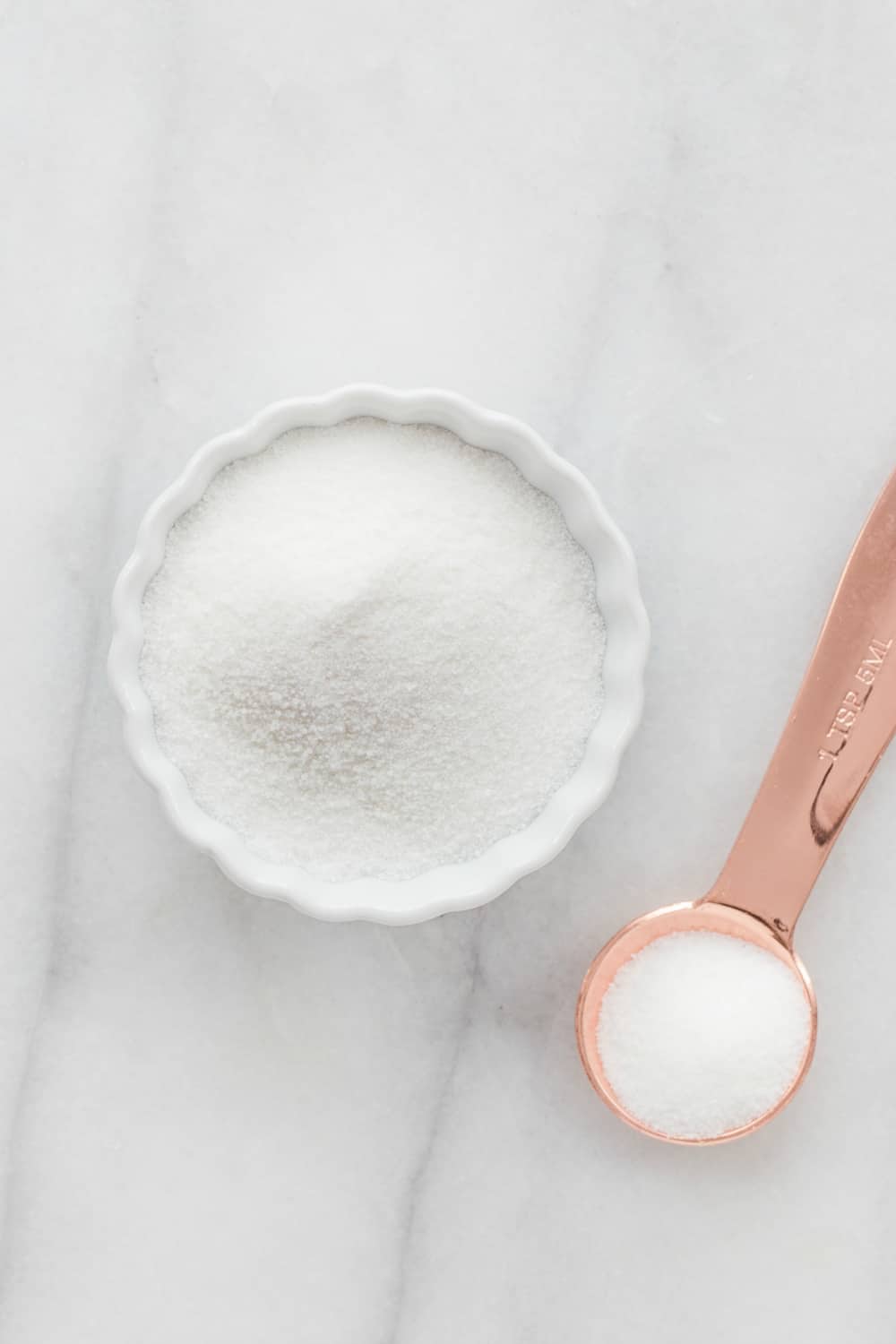
WHAT IS SANDING SUGAR?
Sanding sugar is another large-crystal sugar. It is between white granulated and coarse sugar in size.
Sanding sugar is another decorating sugar and comes in many colors. It also reflects light and gives of a sparkly shine. And, who doesn’t love their baked goods sparkly?
Sanding sugar is a great addition to any DIY Cookie Decorating Station.
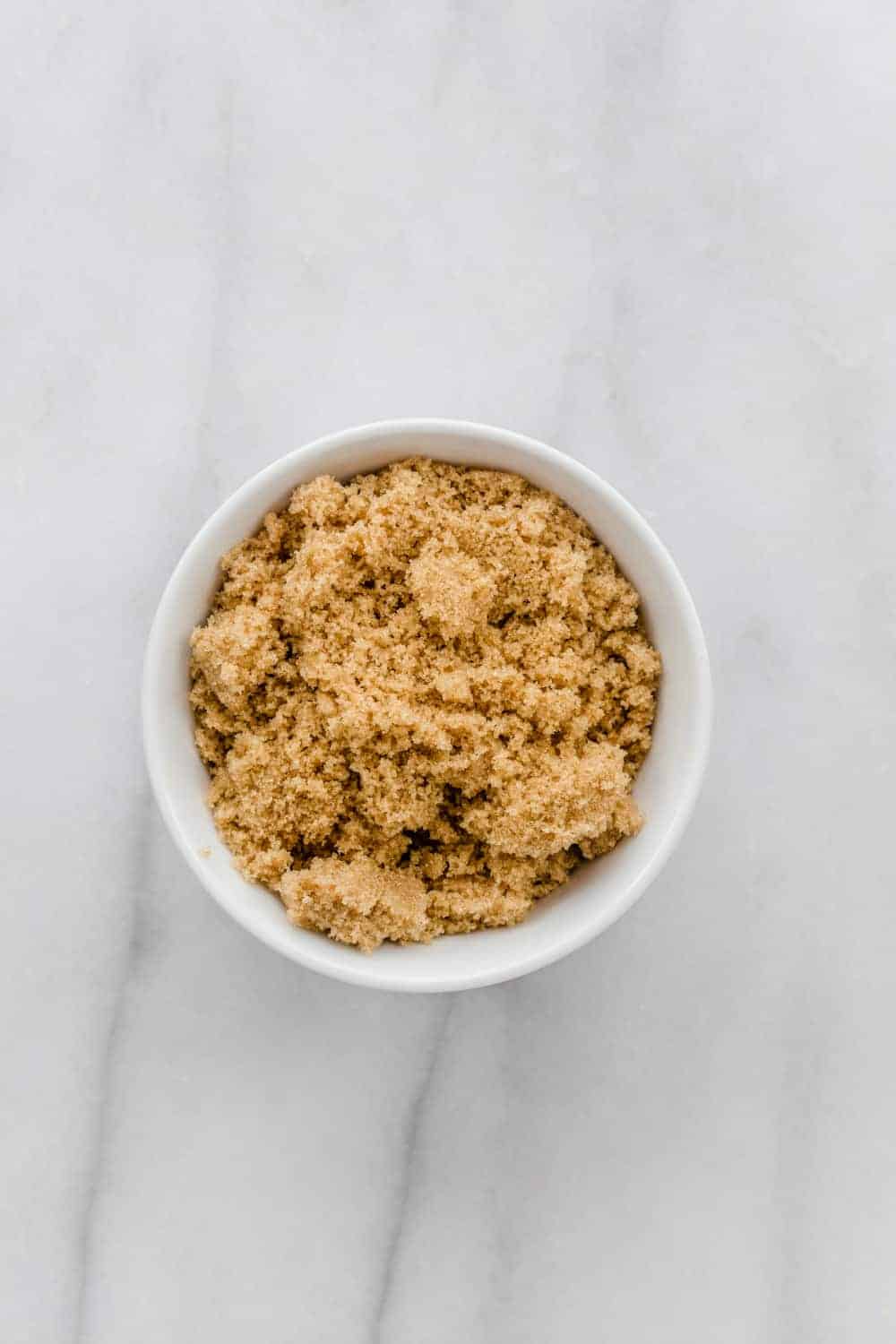
WHAT IS BROWN SUGAR?
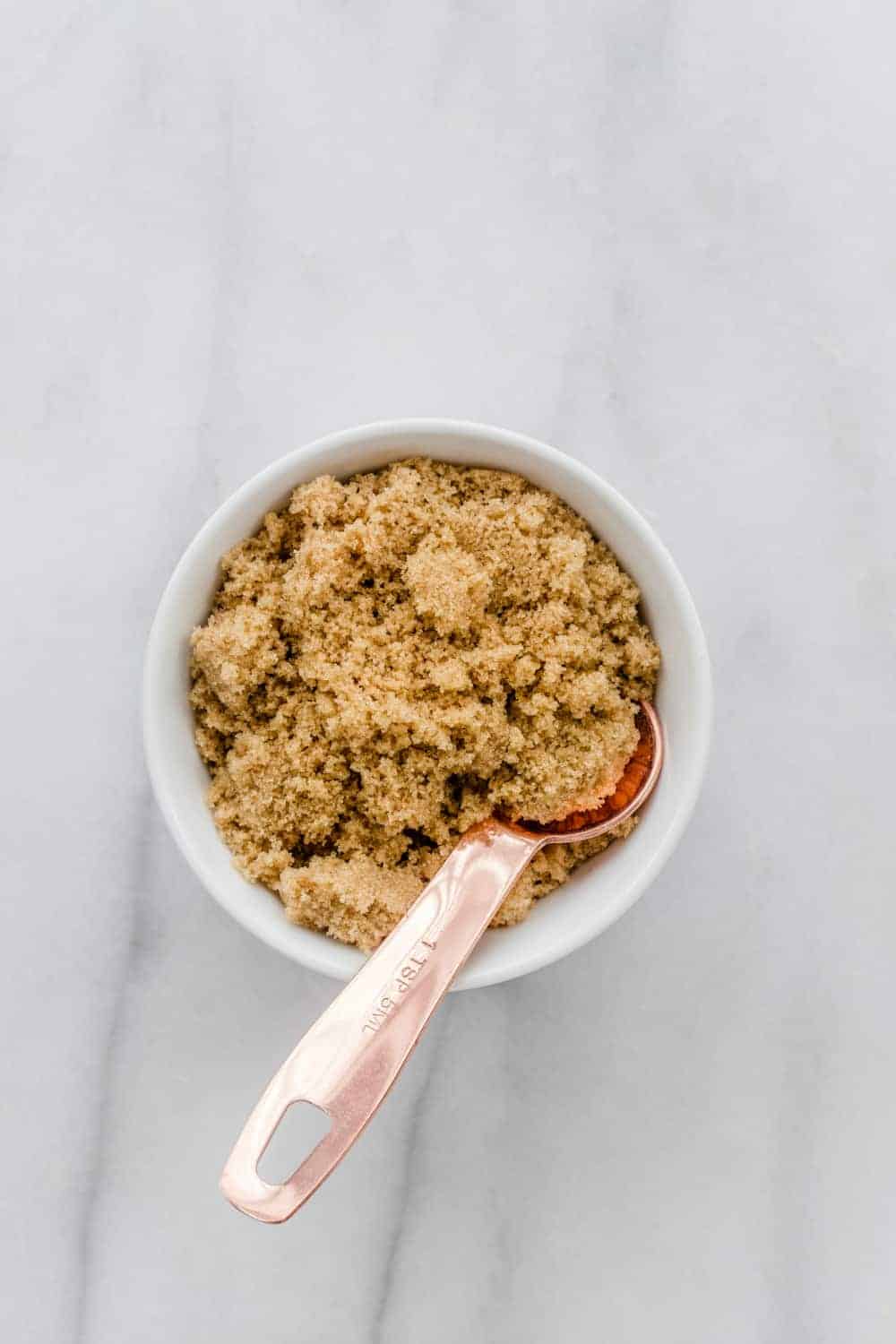
Brown sugar is white sugar that has had cane molasses added to it.
Brown sugar can harden if left open to the air, so it is best stored in an airtight container. If your brown sugar has hardened, you can microwave it for a few seconds, or place a piece of bread in the bag and leave it for a day.
DIFFERENCE BETWEEN LIGHT AND DARK BROWN SUGAR
When you go to the store, you’ll see two types of brown sugar: light brown sugar and dark brown sugar.
These names – light or dark – refer to the amount of molasses that is present in the sugar.
Light brown sugar is what is used more often in baking, sauces and, glazes. I prefer light brown sugar in my favorite Peanut Butter Blossoms recipe.
Dark brown sugar, because of the rich molasses flavor, is used in richer foods, like gingerbread. Try dark brown sugar in Savory Sweet Life’s Chocolate Chip Cookies.
HOW TO MAKE BROWN SUGAR
If you’re out of brown sugar, it is easy to make at home in a pinch. All you need to know how to make brown sugar is:
1 pound granulated sugar
3 ounces molasses, by weight
Make sure everything is incorporated thoroughly in a food processor, and you can store it for up to a month!
WHAT IS SUPERFINE SUGAR?
Superfine sugar is also sometimes called ultrafine sugar, bar sugar or caster sugar.
These sugars have the smallest crystal size of white granulated sugar.
Superfine sugar is generally used in making delicate or smooth desserts such as mousse, meringues or puddings. It also is great for sweetening cold beverages because it doesn’t need heat to dissolve.
WHAT IS TURBINADO SUGAR?
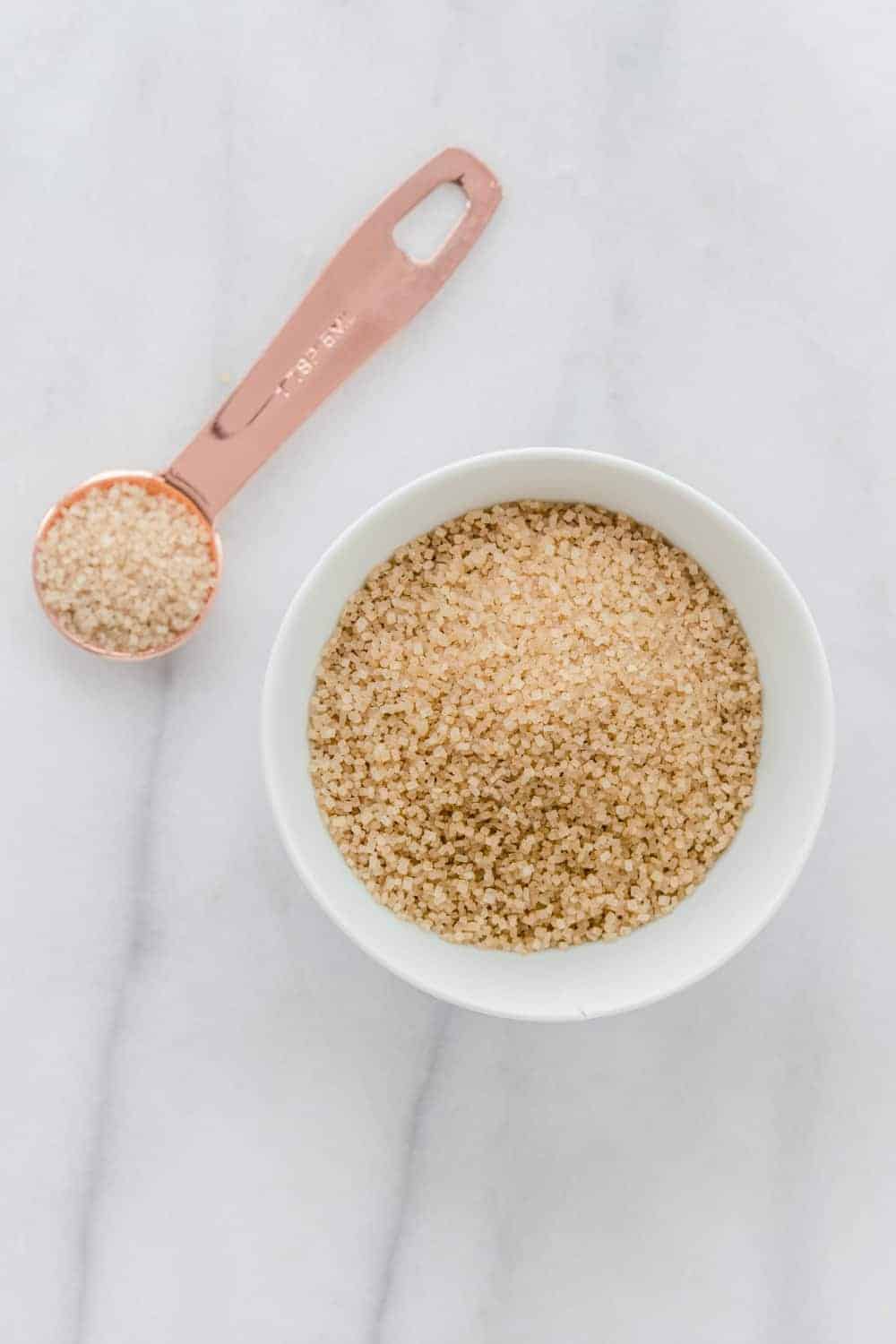
Turbinado sugar is raw sugar that has only had the surface molasses washed off. It is light in color, usually has a large crystal, and is slightly lower in calories than white sugar due to the moisture content.
Turbinado sugar is mainly used in sweetening beverages, but can also be used in baking.
WHAT IS MUSCOVADO SUGAR?
Muscovado sugar, also known as Barbados sugar, is a type of British brown sugar.
Muscovado sugar is very dark brown in color and has more molasses than light or dark brown sugar. The sugar crystals are a little larger than regular brown sugar and the texture is stickier.
Muscovado sugar is used in sweets with rich flavors such as gingerbread, coffee cake, and fudge.
WHAT IS DEMERARA SUGAR?
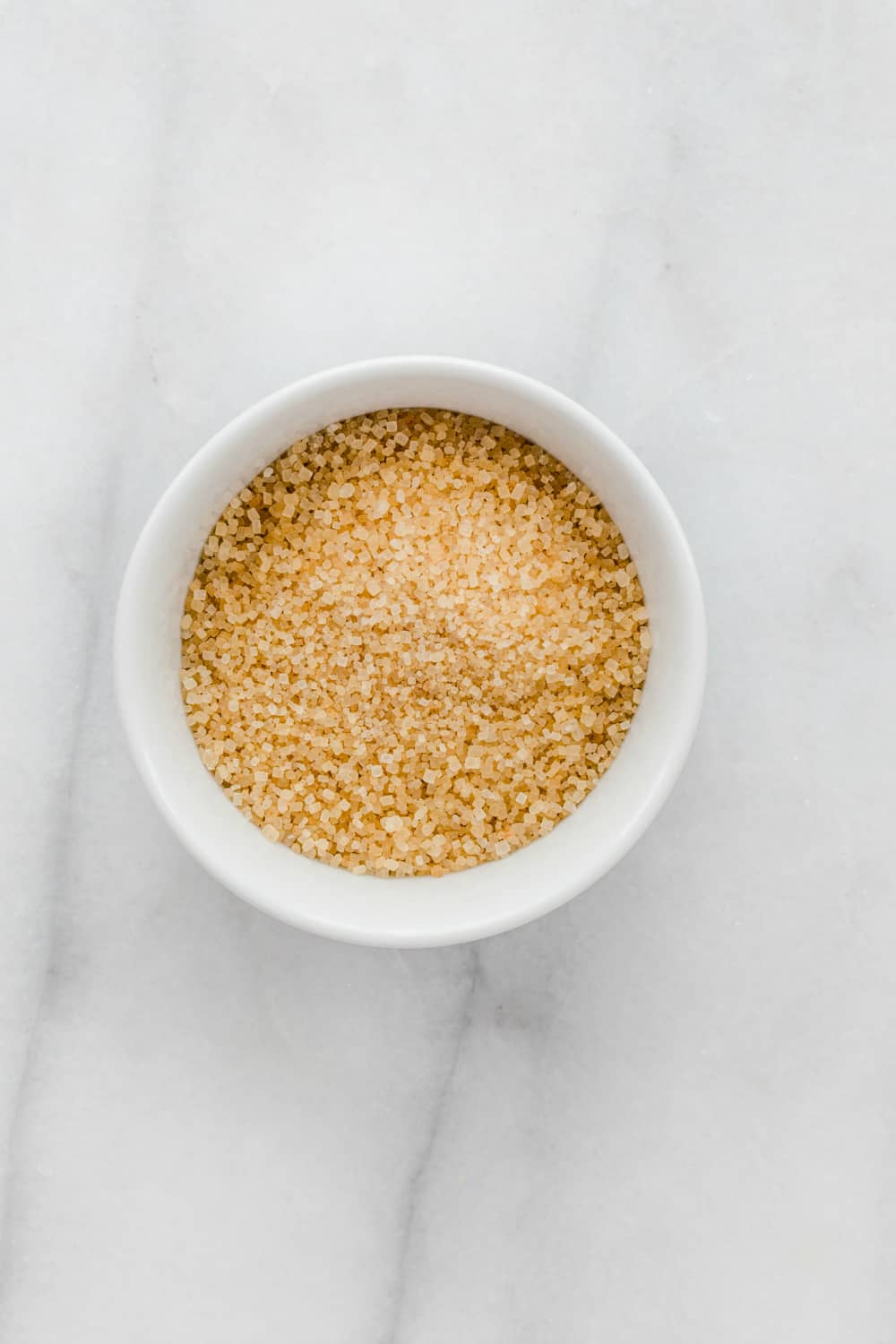
Demerara sugar is another type of sugar that is very popular in England. In the U.S., the most comparable sugar is turbinado sugar – because they are both “raw”.
Demerara sugar is a large-grained, crunchy sugar that hasn’t had all of the molasses refined out.
Demerara sugar is great in tea, coffee, dissolved into hot cereals or sprinkled onto baked goods.
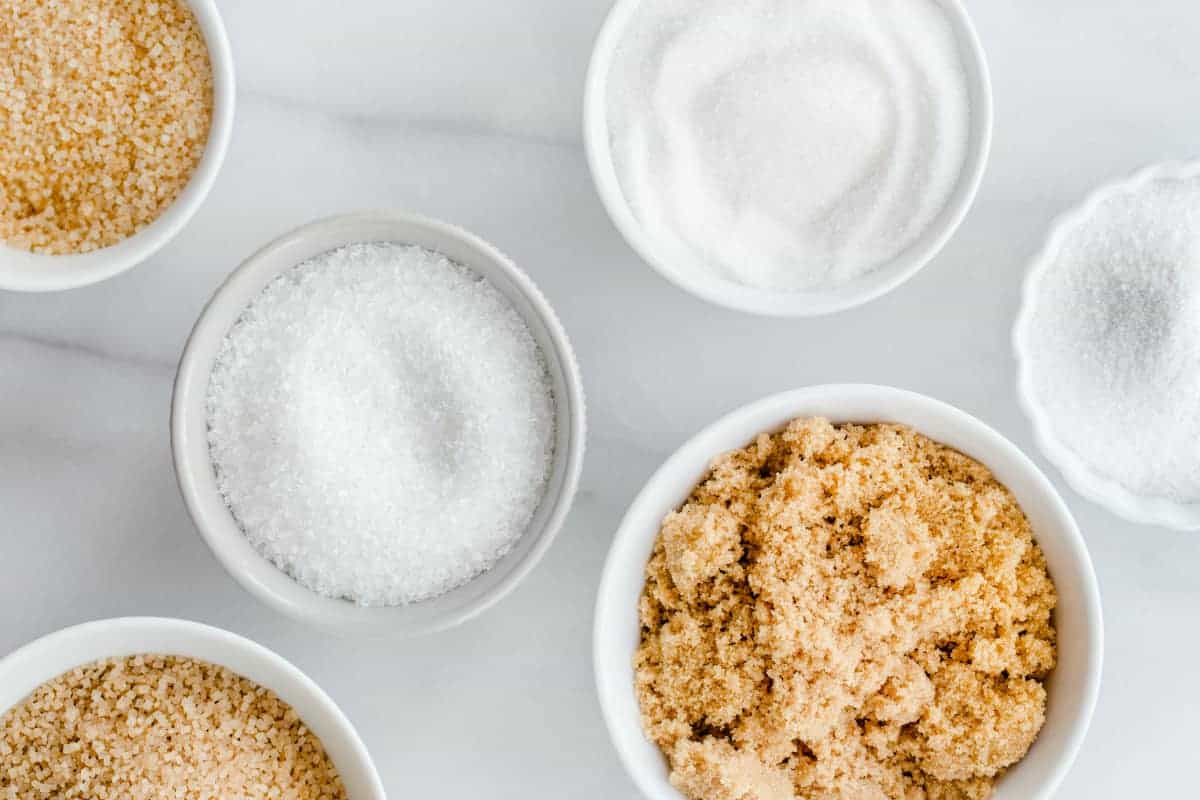
While you might feel like you just took a class on the types of sugar, who couldn’t use a little extra knowledge about such an important ingredient? Now it’s time to make sure you are stocked up and ready to bake!









Love these descriptions! I love to bake and always trying to make my cakes and pies look and taste as good if not better than you get at a bakery. I am all about the decorations. Do you have a recommendation on a coarse vanilla sugar?
You’re my go to sugar “know it all” (in a GOOD way aka Sweet Guru)! Thank you for that. Now I’m seeing C & H has granulated (regular) sugar as well as a “premium” variety. What’s the difference, other than price of course?
A few of your recipes are startlingly good, plus relatively easy. I eagerly anticipate testing your orange sweet roll recipe. Variations on some of the new “semi-ready to use” baking shortcuts scream to be tried, & here is fine examples of where such products might work very well. Tried Rhode’s frozen doughs rolled into blueberry cream cheese rolls, yet? Cranberry-strawberry is flavor explosive with serious potential in sweet rolls, turn-overs, & as desert toppings.
Which of the sugar substitutes do you use when you bake? I hate soggy midges in a cake and I even like my brownies to be more cake-like than fudge-like. One time I made donuts using canned biscuits and I dipped them in splenda. I did not care for the result. Do you have a recommendation for me, please? I have ruined so many desserts that now I never bake because I’m afraid it will be another failure. Please help me. And thank you so very much.
Hi Linda – I don’t often baking with sugar substitutes, so I can’t give you one good recommendation. Hopefully someone else will chime in and be able to help!
@Jamie,
If you are cooking for someone high sugar you may want to try monk sugar. My father is a diabetic and I use monk sugar instead of sugar substitute. does not bother his sugar levels at all. Hope this helps.
Love this info about sugar!
I’m making a red velvet loaf recipe which calls for caster sugar. Can I substitute regular granulated sugar?
@Phoebe Elliott, yes you can substitute 1:1
Castor sugar is smaller crystal and heavier than granulated sugar.
My recipe for Viennese crescents calls for confictionery sugar which I always used. Cant get this sugar can I use powdered sugar instead.
Hi Mary-
I think you might be referring to confectioners’ sugar which is the same thing as powdered sugar.
-Jamie
Hi! I’m planning to make an Angel’s Food Cake. It calls for grinding granulated sugar, but luckily I have Berry Sugar, another name for castor sugar. It says it’s perfect for meringues, sponge cakes and whipping cream. I enjoyed reading your break down on all the various types and feel more confident about using this now, especially not having a food processor.
So happy this was helpful to you, Heather!
@Heather, I ran into a recipe that calls for castor sugar. (Recipe was Australian in origin) could you please tell me if it is the same as icing sugar?
@Melva Baker, Confectionary sugar and Powdered sugar are the SAME THING as icing sugar.INDENTICAL in every way. Castor sugar is totally different than Icing sugar. I don’t think u would be happy with the results if u did.